Looking for a way to protect your home against harsh weather in the Midwest winter season? If you choose the wrong siding options for Ohio homes, your exterior shell can become the reason behind your huge energy bills and rotting walls.
Choosing the right siding for Ohio homes is the best way to ensure that your home is protected and looks great.
This guide by Finish Line Construction and Roofing offers an easy-to-understand breakdown of the top materials. So, you can choose the best siding for Ohio homes and your finances.
Why Do You Need to Find the Best Siding for Ohio Homes?
The best siding for Ohio homes is the one that can balance visual appeal and protection from weather. Winter snowstorms, spring rains and summer sun blasts, all hit your exterior walls the hardest.
Before you start thinking about materials, there are some other considerations you should look into for improving your home’s shell:
- Weather protection: Quality barriers will protect you from wood rotting in the event of bad weather.
- Heat blocking: Wrapping exterior walls instantly reduces drafts and helps to keep heat in.
- Property value: Improved curb appeal and resale value are, of course, one of the best benefits of using modern materials.
Evaluating Your Siding Replacement Options
The material, maintenance requirements and energy costs are the main when choosing things to consider while planning siding replacements. It is important to select a material that will withstand the sudden temperature change without splitting or cracking.
Heavyweight Matchup: Vinyl vs Fiber Cement Siding
- Fiber cement boards are durable, fire-resistant and look just like real wood but without the rotting issue.
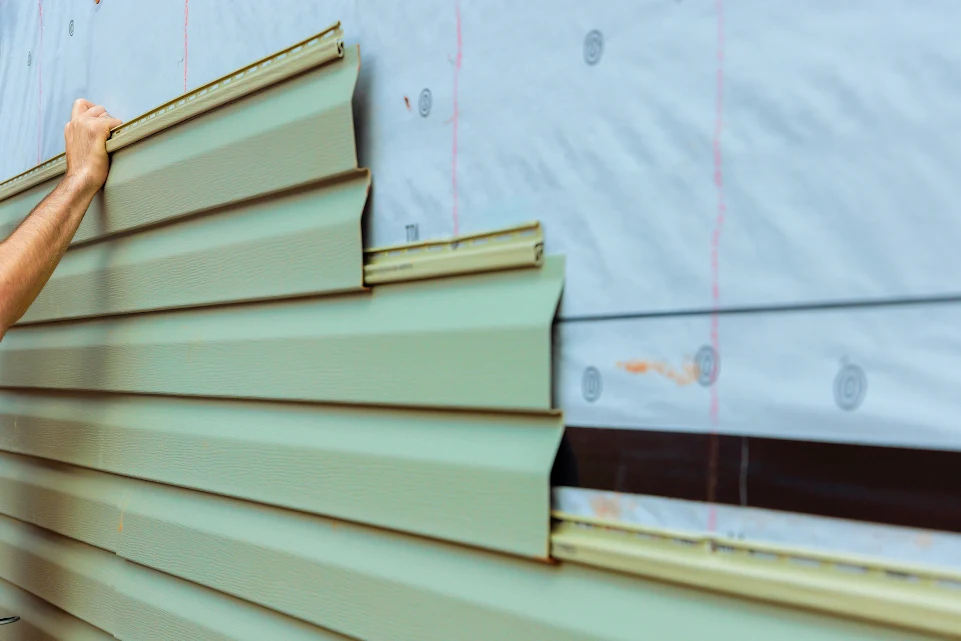
- Vinyl siding panels are cost-effective, fade-resistant, and never need exterior painting, making them highly budget-friendly.
The freeze factor: Vinyl becomes brittle in cold weather or when frozen, while fiber cement is 100% rigid.
Choosing the Best Siding for Cold Weather Conditions
Your family can stay warm during extreme cold winter conditions if you get certain properties of the materials.
- Insulated vinyl: Highly thick with a form-fitting foam that is glued directly against the back of the panel.
- Engineered wood: wood that’s been treated with the latest zinc borate to withstand heavy moisture and insect damage.
- Fiber cement: Heavy windbreak around house core using thick masonry-based planks
Maximizing Energy Efficient Siding Ohio Performance
The options you select for the exterior of your home will determine the pressure your home heating system will have to exert during the winter months.
- R-value upgrades: If you are looking for products to upgrade, seek those with a high R-value, which will help prevent heat loss.
- Sealed air spaces: The professional installer seals air spaces completely to prevent cold air leakage.
- Top coating: Premium finishes with reflective topcoats used to deal with the harsh summer sun lowers AC loads.
| Siding Material | Average Lifespan | Performance in Cold Weather | Maintenance Needs | What To Do |
| Insulated vinyl | 20 to 30 Years | High (Foam backing blocks drafts) | Low | Simple hose wash yearly |
| Engineered wood | 20 to 40 Years | High (Tolerant of temperature changes) | Medium | Medium (Requires intelligent staining) |
| Fiber cement | 30 to 50 Years | High (Foam backing blocks drafts) | Medium | Paint every 15 years |
Beginning Your Energy Efficient Siding Ohio Project
Once you’ve matched your neighborhood style with the perfect material, you are ready to complete your purchase.
- To test the product’s warmth, request some insulated material samples and feel them.
- Determine whether the local neighborhood association prohibits certain plastic materials.
- Only negotiate with a brand that has at least a 30-year structural warranty.
- Use certified installers who first install heavy moisture wraps.
Why Depend on Professionals?
Professionals follow exterior building guidelines that are in line with the National Association of Home Builders (NAHB) standards and building codes in the midwestern region.
They offer homeowners with simple, helpful solutions based on structural insulation and material choices.
Final Thoughts
You can make your home layout more energy efficient with siding systems and enjoy a comfortable indoor environment year-round in Ohio.
Vinyl offers the lowest cost at the time of purchase, fiber cement will provide you the greatest protection from freezing storms.
Call a professional to find the best siding for your home. Now is the time to begin preparing professional project quotes and get your property protected for good.
FAQs
- What is the best siding in Ohio for the cold weather?
Insulated fiber cement or foam-backed vinyl are the best options as they form a thick thermal break.
- What is the relative cost of a vinyl vs fiber cement siding?
Heavy, fiber cement is approximately 30% to 50% more expensive than vinyl siding to install.
- When does regular home vinyl siding need to be replaced?
Typical vinyl panels will typically endure up to 20 to 30 years, but fade significantly in color and may crack when it rains.
- Will wall insulation be added when installing the new siding?
Yes, the house can be covered with a house-wrap barrier and rigid foam board sheets can be added.
- Should I pressure wash my new home siding?
No, aggressive pressure washers have the potential of driving water under the panels and causing moisture to become trapped, which will lead to rot.