Ponding water on roof surfaces can be more than an inconvenience. If rainwater remains in the same area long after a storm, it may point to a drainage problem, low spot, clogged drain, or another roofing issue. Flat and low-slope roofs are especially susceptible because they depend on properly designed drainage systems to move water away from the surface.
Ohio weather can make the problem more noticeable. Heavy rain, snow, melting ice, seasonal debris, and freeze-thaw cycles can all put additional demands on roof drainage. The good news is that regular maintenance and timely repairs can help reduce recurring water accumulation and protect the roofing system.
What Is Ponding Water on a Roof?
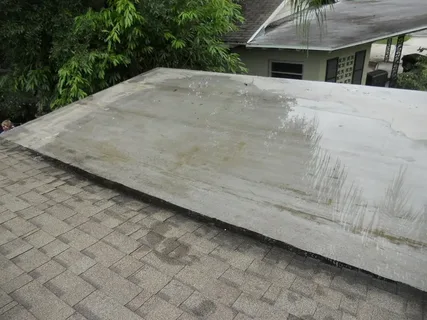
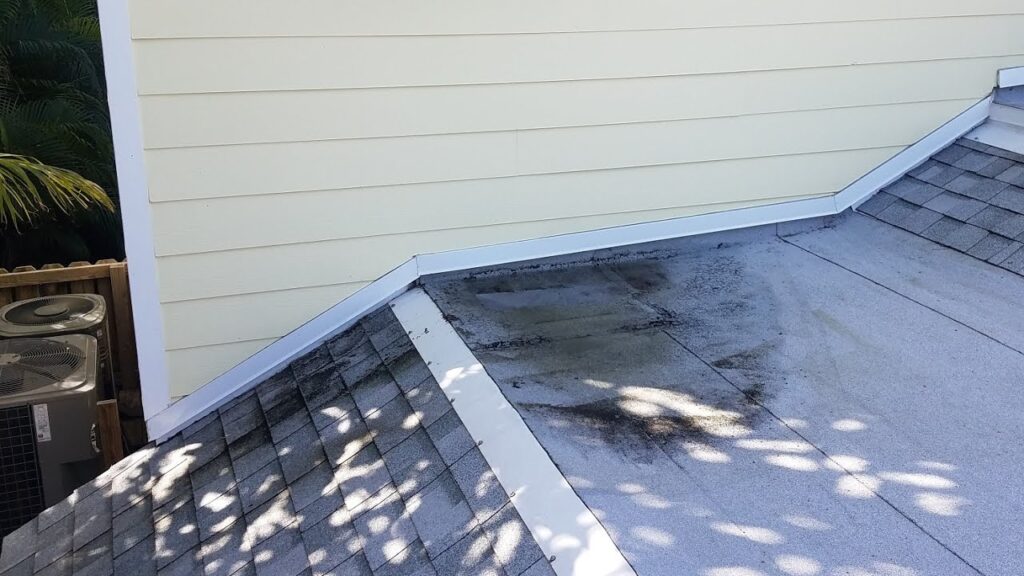
Ponding water is water that remains on a roof after enough time has passed for normal drainage to occur. A small amount of temporary rainwater immediately after a storm does not necessarily indicate a problem. Recurring puddles that remain in the same locations deserve closer attention.
Flat and low-slope roofs are more likely to experience ponding because they do not have the same natural runoff as steep-sloped roofs. These systems rely on roof drains, gutters, downspouts, scuppers, and properly planned roof slope to provide positive drainage.
Ponding Water vs. Normal Rainwater
Normal rainwater should generally move toward designated drainage points as the roof dries. Ponding occurs when water remains in a localized area instead of draining away.
If the same puddle repeatedly appears after rainfall, especially in a low spot, it may indicate a drainage problem that needs to be investigated.
What Causes Water to Pool on a Flat Roof?
There is rarely one universal cause of standing water on a roof. Drainage problems can result from the roof’s design, condition, maintenance history, or a combination of factors.
Poor Roof Slope or Low Spots
A roof needs enough slope to direct water toward drains or other drainage points. Over time, certain areas can develop depressions or low spots where water naturally collects.
If a low area repeatedly holds water, simply removing the puddle will not solve the underlying problem. The drainage path or affected section of the roof may need professional evaluation.
Clogged Roof Drains
Roof drains can become restricted by leaves, dirt, branches, and other debris. When water cannot enter the drainage system properly, it may spread across the roof surface and collect around low areas.
Regular drain cleaning is a simple but important part of flat roof maintenance, particularly after periods of heavy weather or seasonal debris.
Blocked Gutters and Downspouts
Gutters and downspouts are another part of the drainage system. When they become blocked, water may back up instead of flowing away from the building.
Keeping these components clear can help prevent water accumulation and reduce unnecessary stress on the roof and exterior drainage system.
Damaged or Aging Roofing Materials
A deteriorating roof membrane, damaged flashing, or other roofing defects can contribute to water intrusion and drainage concerns. Cracks, blisters, deteriorated seams, or damaged areas should not be ignored when recurring ponding is already present.
The presence of ponding does not automatically mean the entire roof needs replacement. The condition and cause should be evaluated first.
Improper Drainage Design or Installation
Drainage needs to match the roof’s size, slope, layout, and roofing system. If water is consistently directed toward an area without an effective drainage point, the problem may involve the original drainage design or a change in the roof over time.
A professional roof inspection can help determine whether the issue is localized or part of a larger drainage problem.
Why Is Ponding Water Bad for a Roof?
Recurring ponding can increase the amount of moisture and stress a roofing system experiences. The actual risk depends on factors such as how much water accumulates, how long it remains, the roofing material, drainage design, and overall roof condition.
Potential concerns include increased leak risk, deterioration of roofing materials, membrane damage, and additional maintenance needs. If water finds a weakness in the roofing system, it can contribute to water intrusion.
Moisture may also affect insulation or roof decking if a leak develops and remains undetected. In some situations, prolonged moisture can contribute to mold or other moisture-related concerns inside the building.
However, a puddle does not automatically mean structural damage or immediate roof replacement is necessary. A professional assessment can determine whether the issue can be addressed through drainage maintenance, localized repair, restoration, or another solution.
How to Prevent Ponding Water on Your Roof
Preventing ponding starts with keeping the roof’s drainage system functional and identifying problems before they become recurring issues.
Keep Roof Drains Clear
Inspect roof drains regularly and remove leaves, dirt, branches, and other debris that can restrict water flow. A blocked drain can quickly become a problem during heavy rainfall.
For commercial buildings, planned maintenance can help make drain inspections part of the property’s regular roof care rather than something addressed only after a leak occurs.
Clean Gutters and Downspouts
Gutters and downspouts need to remain clear so water can move away from the roof and building. Check them after storms and during seasons when leaves and other debris are common.
If water is overflowing from gutters or backing up around drainage points, investigate the cause instead of assuming the issue will resolve on its own.
Remove Debris From the Roof
Branches, leaves, dirt, and other debris can obstruct drainage points and hold moisture against roofing materials. Keeping the roof surface reasonably clear helps drainage work as intended.
Do not walk on areas of a roof that may be damaged or unsafe. When in doubt, have a professional inspect the roof and handle maintenance.
Schedule Regular Roof Inspections
A professional roof inspection can identify low spots, damaged membranes, deteriorated flashing, blocked drainage components, and early signs of water intrusion.
Inspections are particularly useful for older roofs, commercial properties, and buildings that have experienced recurring ponding or leaks.
Address Low Spots and Drainage Problems
If water repeatedly collects in one location, the goal should be to identify why it happens. The appropriate solution may involve correcting a localized drainage issue, repairing the affected roofing area, or addressing a more extensive drainage concern.
Simply removing standing water does not correct the underlying cause.
Maintain Roofing Membranes and Flashing
The roof membrane and flashing help keep water from entering the building. Damage around seams, penetrations, edges, or flashing can create opportunities for leaks.
Routine maintenance can help identify these concerns before water accumulation makes the situation more difficult.
Correct Drainage Problems Professionally
Some drainage problems require more than cleaning a drain or gutter. If the roof has persistent low spots, damaged drains, inadequate drainage paths, or recurring leaks, professional roof drainage repair may be necessary.
A qualified roofing professional can evaluate the entire system and recommend a solution based on the roof’s actual condition.
How to Fix Ponding Water on a Flat Roof
The right way to fix standing water on a flat roof depends on what is causing it.
A relatively simple problem, such as a clogged drain, may only require cleaning and restoring proper drainage. Damaged gutters, downspouts, or scuppers may require repair or replacement.
If the problem is caused by a localized low area, the repair may focus on improving drainage in that section. Damaged roofing materials may require localized flat roof repair or restoration.
For roofs with broader deterioration, a roof restoration or replacement may eventually be appropriate. Replacement should not be recommended simply because ponding water exists. The condition, age, extent of damage, and serviceability of the existing system should be considered during a professional inspection.
For property owners researching flat roofing options, the flat roofing services offered by Finish Line Construction & Roofing provide additional information about this type of roofing system.
When Should You Call a Roofing Contractor?
Recurring pondering is worth investigating, especially when you notice other warning signs.
Consider scheduling a professional roof inspection if:
- Water remains on the roof after the weather has cleared.
- Puddles repeatedly form in the same location.
- Interior ceiling stains appear.
- You notice an active roof leak.
- Roofing materials show cracking, blistering, or deterioration.
- Drains or scuppers appear damaged.
- The roof has visible low spots.
- A commercial roof repeatedly develops standing water.
A professional inspection can help determine whether the problem calls for flat roof repair, roof drainage repair, maintenance, or a larger roofing solution.
For property owners looking for more information before hiring a contractor, a flat roof contractor guide can also help explain what to consider when evaluating roofing work.
Ponding Water on Commercial Roofs
Commercial buildings often use flat or low-slope roofing systems, making drainage an important part of routine maintenance. Warehouses, retail buildings, offices, and other commercial properties may rely on roof drains, scuppers, gutters, or combinations of these systems.
Recurring water pooling on a commercial roof can create additional maintenance concerns and may increase the chance of leaks affecting occupied areas, equipment, inventory, or day-to-day operations.
Routine commercial roof inspections can help identify blocked drains, deteriorated roofing materials, drainage concerns, and other problems before they become larger repair issues.
Planned commercial roof maintenance is especially useful for properties where recurring ponding has already been observed. Addressing drainage concerns early may help reduce unexpected repair needs.
How Ohio Weather Can Affect Roof Ponding
Ohio roofs experience changing conditions throughout the year. Heavy rainfall can quickly test roof drainage systems, while snow accumulation can place additional demands on low-slope roofing.
When snow and ice melt, the resulting water needs a clear path away from the roof. Blocked drains or gutters can slow that process and contribute to water accumulation.
Freeze-thaw cycles can also affect existing roofing problems. Water can enter small damaged areas, freeze as temperatures drop, and expand. Repeated seasonal changes can make existing deterioration more noticeable.
Storms and seasonal debris can create additional drainage problems by placing leaves, branches, and other material around drains and gutters. Regular maintenance helps keep these drainage paths open throughout the year.
How Often Should You Inspect a Flat Roof?
The right inspection schedule depends on the roofing system, building, age, condition, and local weather exposure. Routine inspections are useful because they can identify drainage and roofing concerns before they develop into active leaks.
A flat roof should be checked as part of regular maintenance and after severe weather. It can also be helpful to inspect the system before and after winter, particularly when snow, ice, and freeze-thaw conditions have occurred.
If recurring ponding appears, an inspection should not be delayed simply because the roof is not currently leaking. Persistent water accumulation can indicate a drainage or roof-condition issue that deserves attention.
For commercial properties, planned maintenance can provide a more consistent way to monitor roof drains, membranes, flashing, and other components.
Frequently Asked Questions
Does ponding water damage a flat roof?
Yes, recurring ponding can increase the risk of roof deterioration and leaks, especially when water remains for long periods.
How long can water sit on a flat roof?
Temporary water after rainfall may not be a concern, but water that repeatedly remains should be inspected for drainage problems.
What causes standing water on a roof?
Common causes include clogged drains, blocked gutters, low spots, poor drainage, and inadequate roof slope.
How do you get rid of ponding water?
First, identify the cause. Clearing blocked drains may help, while recurring ponding may require professional drainage or roof repairs.
Can ponding water cause roof leaks?
Yes. Recurring ponding can contribute to leaks around damaged membranes, seams, flashing, or other vulnerable areas.
Does a flat roof need drainage?
Yes. Flat and low-slope roofs need proper drainage through systems such as roof drains, gutters, downspouts, or scuppers.
When should I call a roofing contractor for ponding water?
Call a contractor when water repeatedly collects, remains after rain, or occurs with leaks, ceiling stains, or damaged roofing materials.
Protect Your Roof From Ponding Water
Recurring ponding water is usually a sign that something deserves a closer look. Keeping drains and gutters clear, removing debris, maintaining roofing components, and scheduling professional inspections can help identify drainage problems before they lead to more extensive concerns.
If you are dealing with recurring ponding, roof drainage problems, leaks, or flat roof concerns in Wellington, Bath, Brunswick, Valley City, LaGrange, or nearby Ohio communities, Finish Line Construction & Roofing can be a local option to consider for professional roof inspections and repair services.